



What Insulated Pipe Systems Are
Insulated pipe systems are engineered thermal barriers designed to regulate the temperature of fluids traveling through industrial networks. These assemblies typically consist of three primary components:
- The inner carrier pipe actively transports the liquid or gas.
- The middle thermal layer impedes the transfer of heat energy between the internal medium and the ambient environment.
- The exterior protective jacket wraps the entire assembly to defend the sensitive thermal materials from physical impacts, ultraviolet radiation, and chemical exposure.
Industrial facilities deploy these assemblies across long distances to isolate internal operating conditions from external weather patterns or factory climates. Manufacturers either build these pipelines using pre-insulated segments in a controlled factory setting, or contractors apply the thermal barriers directly in the field.
Understanding the fundamental physics of thermal conductivity, expressed as a material’s K-value, helps engineers select the layer thickness needed to limit unwanted heat transfer.
Why Insulate Industrial Piping?
Process control, especially in food and chemical manufacturing, requires precise temperature parameters. Uninsulated lines can experience rapid thermal shifts, altering fluid viscosity, disrupting chemical reactions, and degrading final product quality. For example, dairy processing requires strict temperature maintenance during pasteurization to meet health department regulations. Applying a thermal barrier stabilizes the pipeline’s internal environment and protects sensitive media from ambient temperature fluctuations.
Benefits of Insulated Pipe Systems
Insulated pipe systems offer many benefits beyond process control.

Personnel Safety
Bare metal pipe surfaces pose a burn hazard to plant personnel. Steam lines and hot fluid transfers exceeding 60 °C (140 °F)—a widely cited threshold for safe incidental contact—can quickly become dangerous to touch during normal operation. A properly specified thermal boundary keeps the exterior surface temperature within safe limits for incidental human contact.
Noise Reduction
Facilities utilize thermal barriers to dampen acoustic noise generated by high-velocity fluid transfers and pressure-reducing valves. Lowering ambient noise levels creates a safer, more productive environment for factory workers.
Energy Efficiency and Heat Loss
Unprotected thermal networks radiate heat constantly through convective and radiant transfer. This thermal loss forces plant boilers and chillers to consume additional electricity or natural gas just to maintain the target fluid temperature. Implementing robust thermal insulation reduces this energy waste. As a result, lower energy consumption reduces daily operating expenses and helps facilities meet local environmental emission targets.
Design engineers calculate the ideal thickness of the material to optimize this return on investment. This calculation balances the initial capital cost of the materials and labor against the projected energy savings over the lifespan of the mechanical equipment. In intensive process environments, well-insulated piping can reduce heat loss from the system by as much as 90% compared with bare pipe under certain conditions.
Furthermore, stable internal temperatures limit the mechanical strain on heating and cooling equipment, extending the service life of pumps, compressors, and heat exchangers.

Freeze and Condensation Protection
Cold-weather climates can threaten outdoor fluid networks with sudden freezing. Frozen water expands, which can crack pipes and damage costly infrastructure. A continuous thermal barrier can delay or prevent freezing during power outages or system shutdowns. Plant operators frequently combine this physical barrier with active electrical heat tracing lines to prevent winter damage in vulnerable outdoor pipelines.
In humid indoor environments, cold fluid transfers can create condensation on bare metal surfaces. This condensation can drip onto factory floors and create slip hazards for personnel. Moreover, trapped moisture between the pipe and the thermal barrier can lead to corrosion under insulation (CUI). CUI can degrade the carrier pipe over time, often going undetected until a leak occurs. Chlorides from wet insulation can also trigger stress corrosion cracking in stainless steel lines.
Installing closed-cell materials with seamless vapor retarders prevents ambient moisture from reaching the metal substrate and stops CUI before it begins. Routine maintenance inspections should include moisture checks at low points and support saddles, since gravity pulls trapped water toward these areas.
Insulation Materials and Selection
Engineers match the thermal insulation material to the internal fluid temperature and the external ambient environment. Selecting the wrong material can cause the insulation to melt, shrink, degrade, or absorb water. The food manufacturing sector also requires materials that will not harbor bacteria or shed particulate matter into clean areas.
Review the following common industrial materials and their specific applications:

Polyurethane foam
Excellent thermal resistance for chilled water, refrigeration, and cryogenic applications.

Fiberglass
Suitable for moderate high-temperature environments like steam networks and hot water lines.

Cellular glass
Exceptional moisture resistance and high compressive strength for underground setups.

Mineral wool
Extreme heat tolerance and fire-resistant properties for high-temperature exhaust runs and industrial ovens.

Elastomeric rubber
Flexible construction for tight spaces, mold resistance, and basic refrigeration applications.

Calcium silicate
Structural durability for high-temperature applications where the system experiences mechanical impact and frequent vibrations.
Design and Installation Considerations
Producing effective insulated pipe systems requires close attention to external jackets, field joints, and mechanical supports. The outer jacket must match the specific environmental hazards present in the facility. Aluminum and stainless steel jackets defend against physical impacts and harsh weather in outdoor chemical plants, while PVC jackets resist washdown chemicals and regular sanitation cycles common in food processing facilities.
Field joints represent a vulnerable point in any thermal network. Contractors must seal every seam tightly to prevent moisture from penetrating the system. If a joint fails, water can travel down the line and compromise the entire thermal barrier.
Engineers must also account for linear expansion, since pipes grow and shrink as temperatures fluctuate. The thermal insulation layers and the outer jackets must accommodate this movement without tearing or buckling.
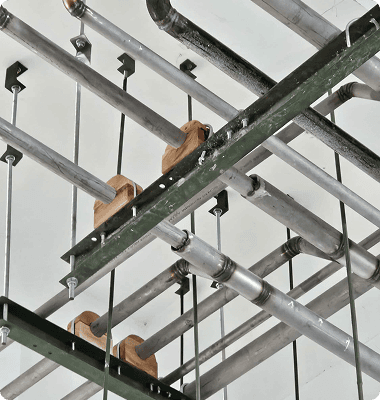
Additionally, heavy pipes usually require specialized high-density inserts at support hanger locations to prevent the pipe’s weight from crushing the thermal material.

Related Products and Support
Caylor Industrial stocks the components needed to complete a robust insulated piping system, including our Insulcap Series Thermal & Acoustic Blanket Insulation for valves and piping that need both thermal and acoustic protection. Beyond insulation, our team can help you source the fittings, hangers, and structural supports your piping system needs, backed by the technical guidance to match the right materials to your application.
Our experienced staff understands the rigorous demands of the industrial processing and food manufacturing sectors. Since 1980, Caylor Industrial has adapted our inventory to match the evolving needs of our industrial client base. We listen to your specific application parameters and can guide your team toward the correct materials and hardware for your next capital project.

Partner With Caylor Industrial
for Insulated Pipe System Components
Maintaining precise temperature control lowers operating costs and protects your mechanical infrastructure. Specifying the correct insulated pipe systems can prevent costly heat loss, defend against damaging condensation, and keep plant personnel safe. For over 45 years, Caylor Industrial has supported complex manufacturing environments with dependable industrial supplies.